

Backed by 10+ years in the field, we share clear frameworks for robotics investments that deliver — always with efficiency at the core.
Latest Posts
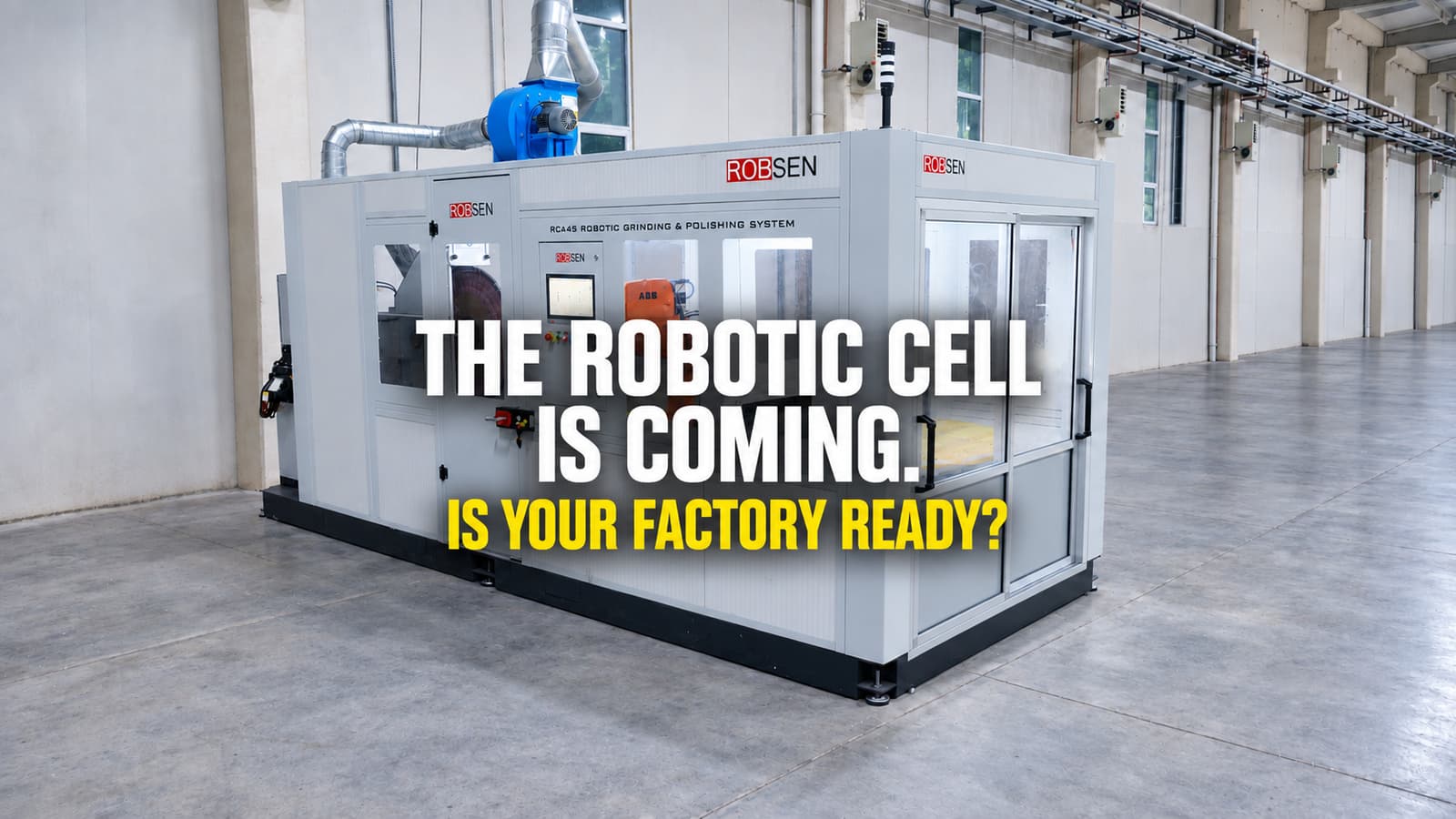
What Must Be Ready Before the Robot Cell Arrives?
Fixtures, setup times, training and internal communication all affect how quickly a new robot cell becomes reliable production.

Ferhad Kaleli
Co-Founder
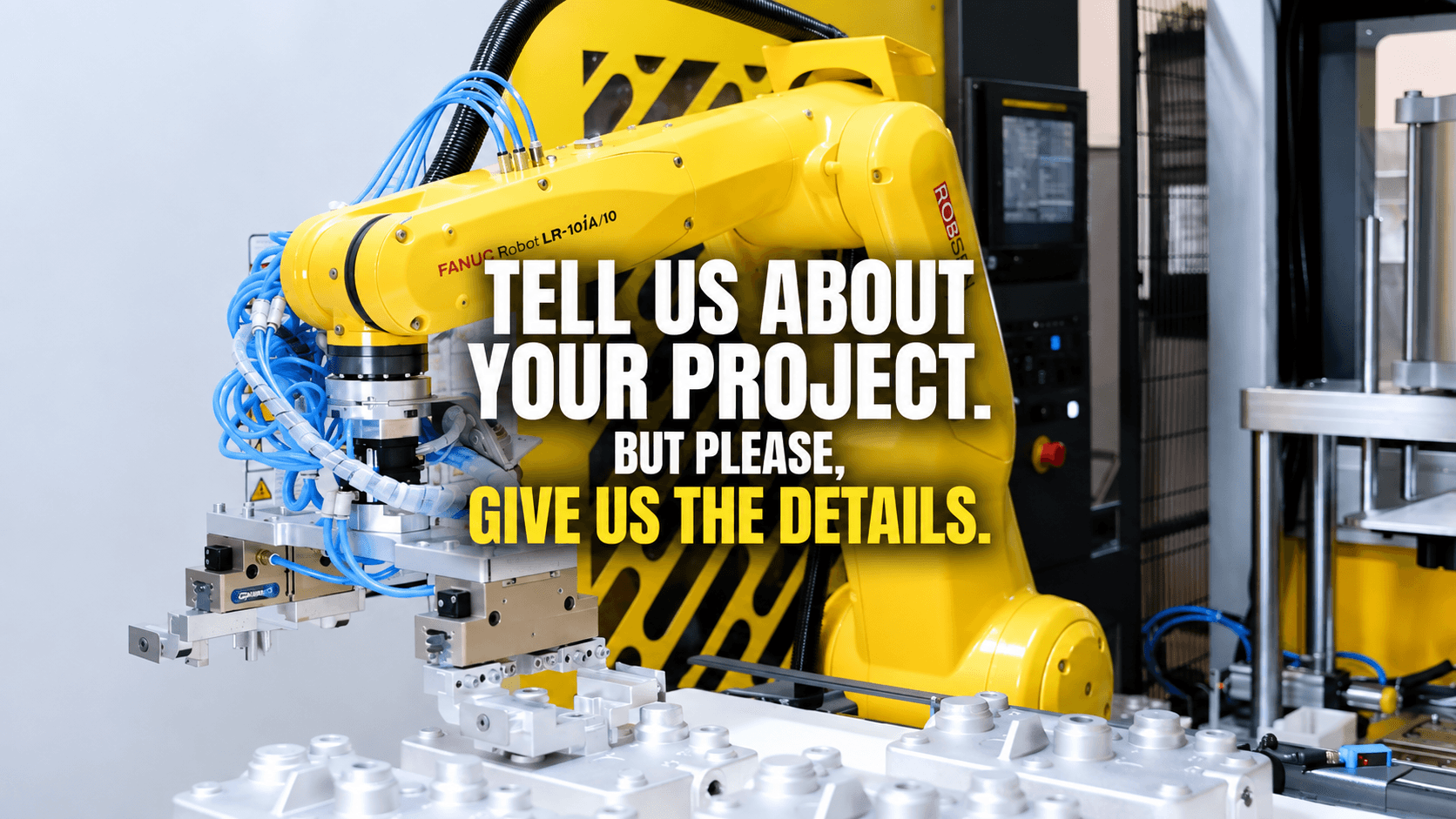
Before You Request a Robot Cell Quote, Define the Project
Learn how to choose the right first automation process and prepare a robot-cell specification that produces comparable, technically meaningful quotations.
Ferhad Kaleli
Co-Founder
Do you have a technical question?
Ask our engineering team — we answer in writing.
Read by Topic
What Must Be Ready Before the Robot Cell Arrives?
Fixtures, setup times, training and internal communication all affect how quickly a new robot cell becomes reliable production.
Before You Request a Robot Cell Quote, Define the Project
Learn how to choose the right first automation process and prepare a robot-cell specification that produces comparable, technically meaningful quotations.
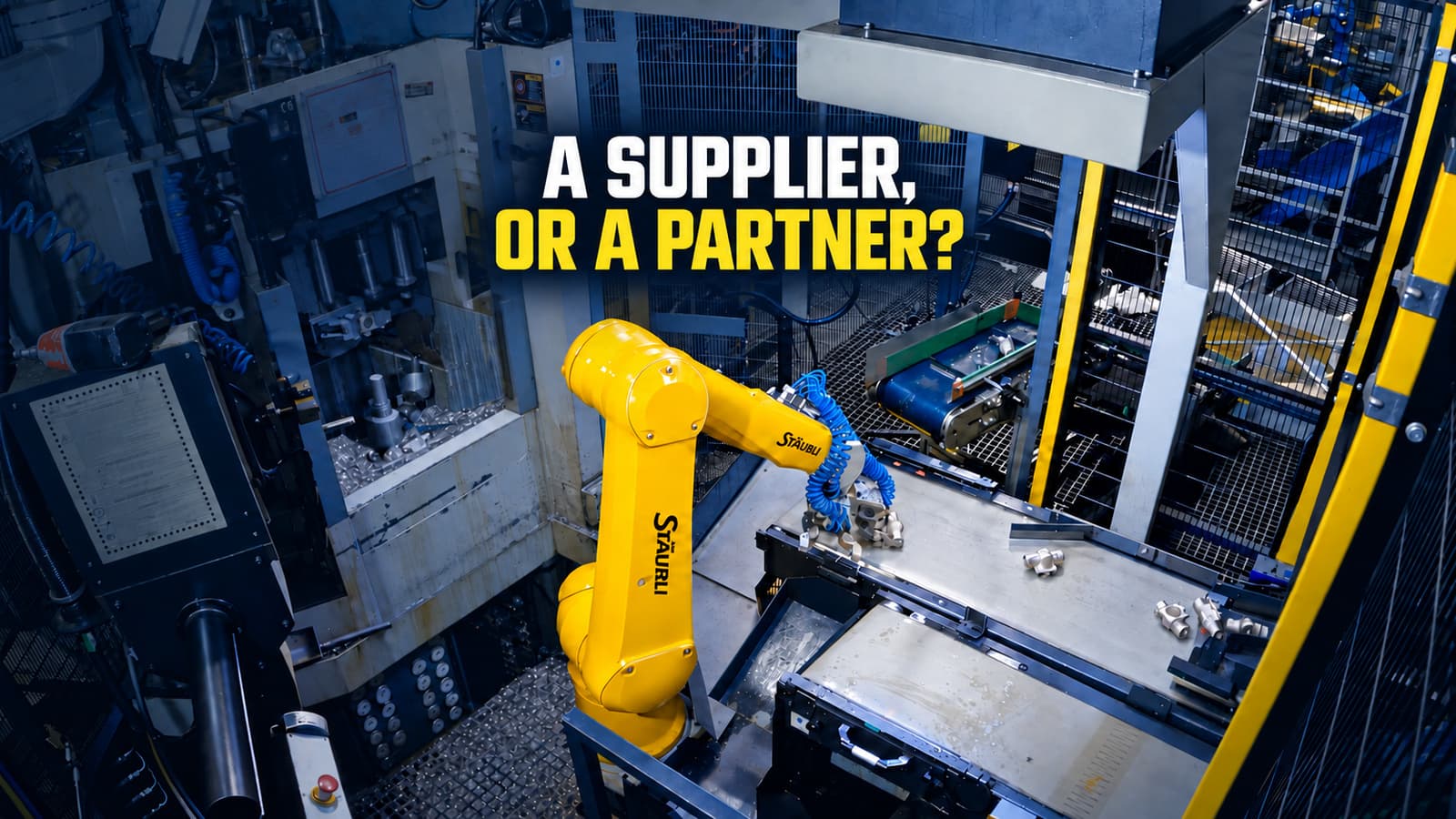
Working With Your Robot Integrator: From Order to Long-Term Support
Deciding on a robot investment and setting the budget aside does not mean you are ready for it. What the months after the order tell you about the partner you chose.
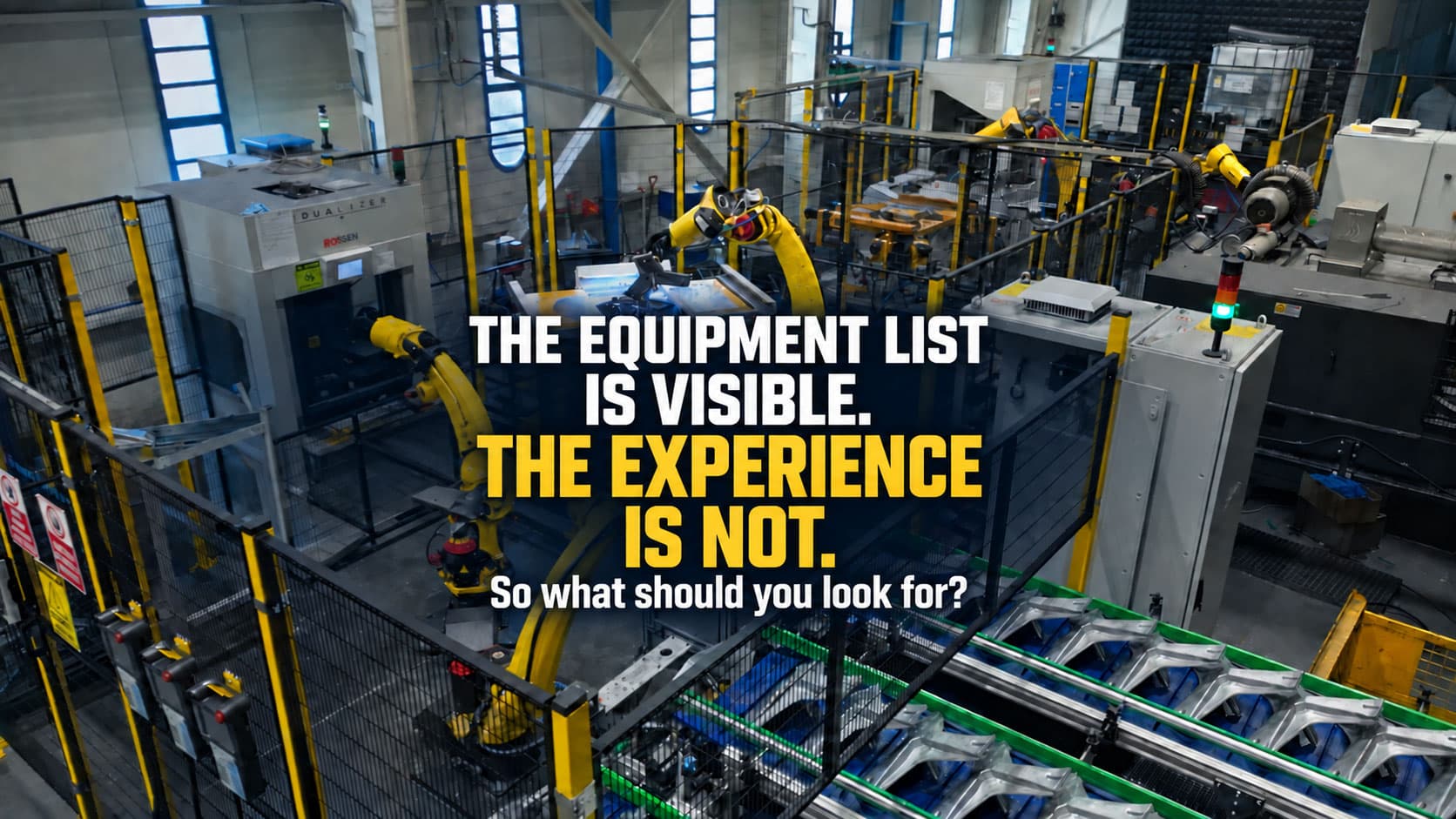
Choosing a Robot Integrator: What Should You Look For?
The equipment list and the price are visible on the page. The experience behind a robot proposal takes more conversation to understand — here is what to look for before you choose an integrator.
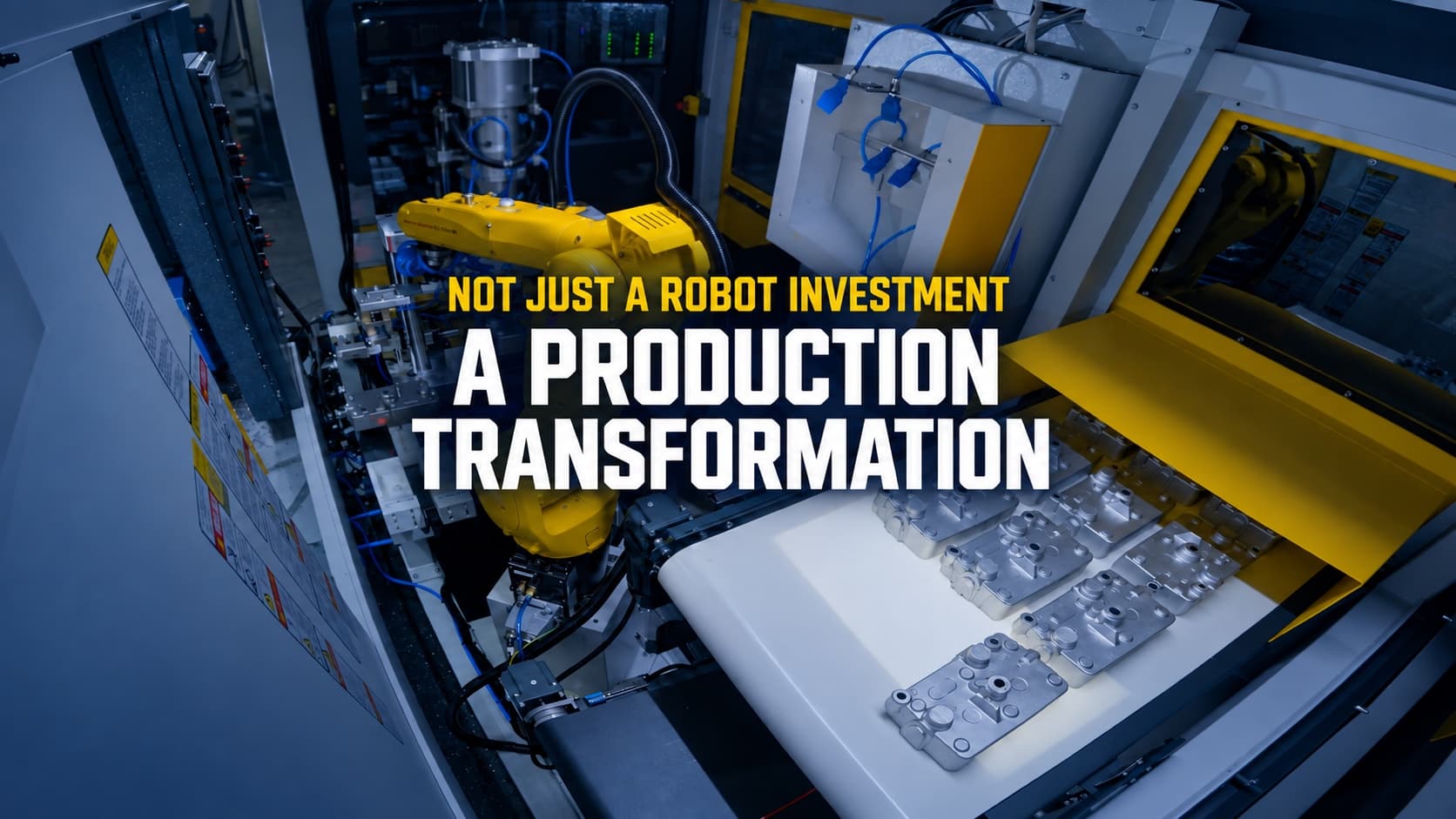
Why Your Robot Investment May Cost More Than the Exhibition Price
The robot shown at an exhibition is only part of the investment. See how fixtures, machine interfaces, layout and FAT shape the real cost of a production-ready cell.
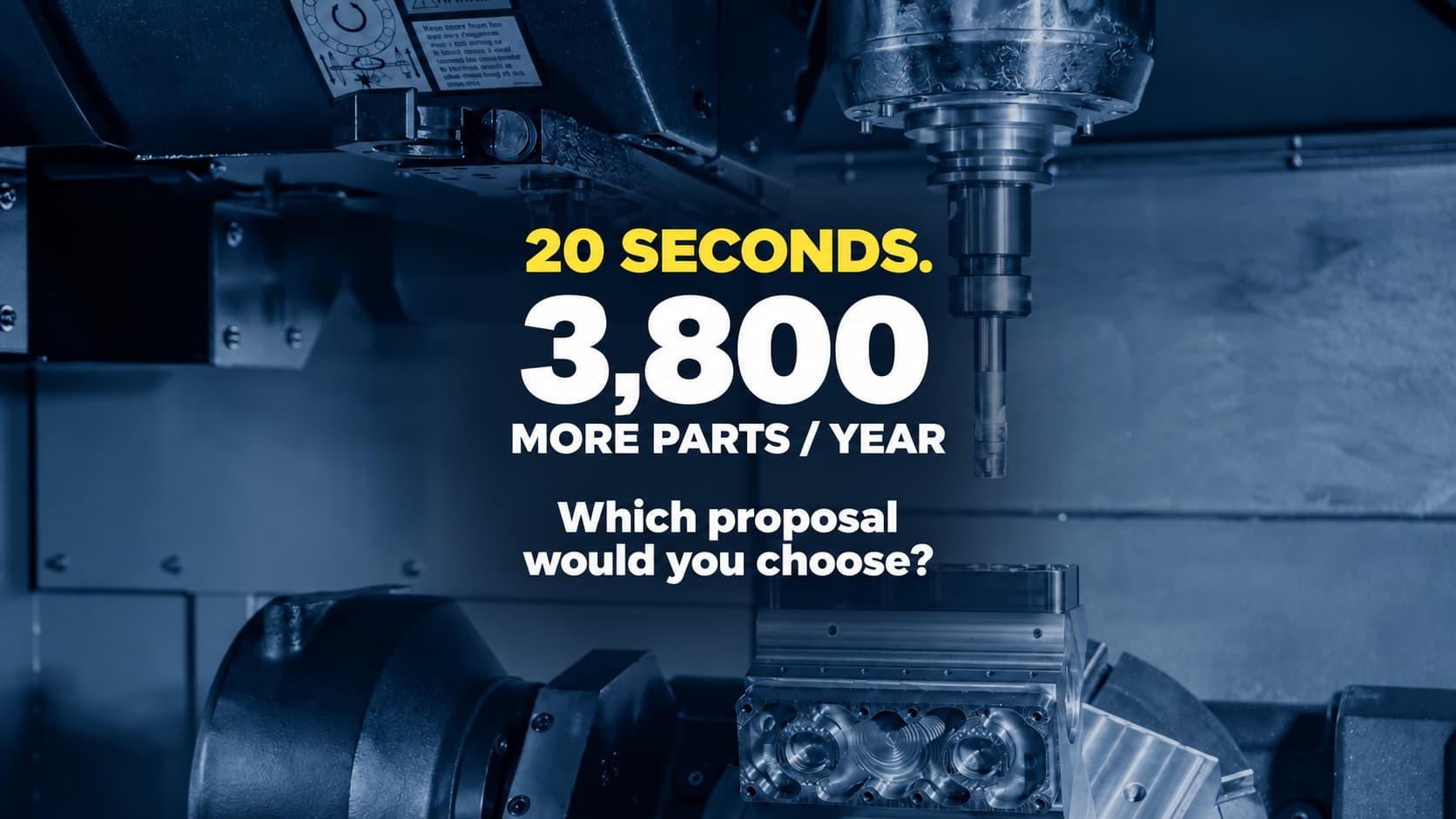
The Cheaper Automation Proposal Could Cost You 3,800 Parts a Year
Two automation proposals can differ by €30,000 yet create very different CNC output. See how payload, gripper design and 20 seconds of machine waiting time can mean approximately 3,800 parts per year.
Meet Our Authors
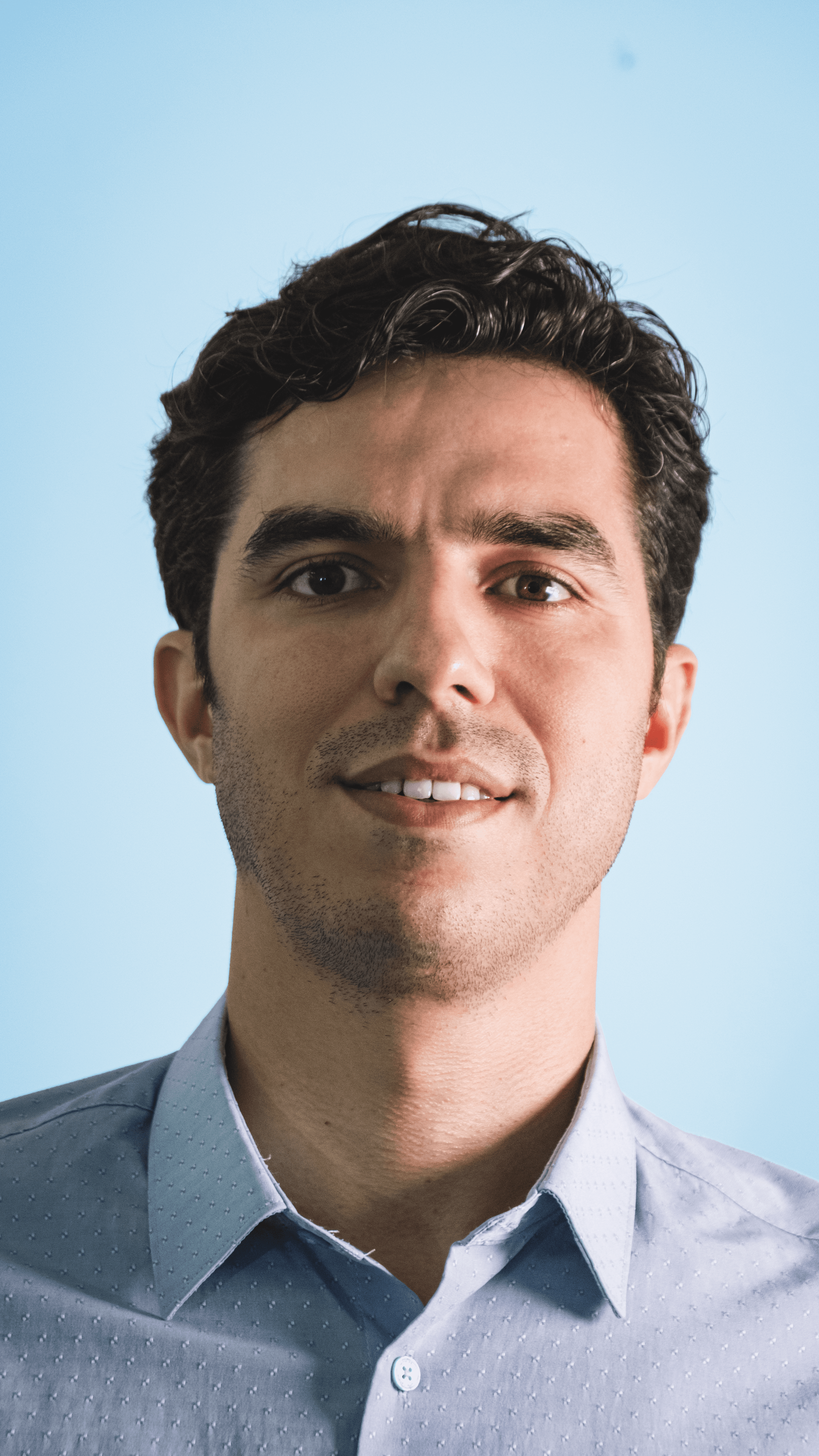
Ferhad Kaleli
Co-Founder
Ferhad Kaleli is a mechanical engineer and co-founder of Robsen Robotics. He has worked with industrial robots since 2011 and co-founded the company in 2013, at twenty-four. Today, he leads a team that has commissioned more than 200 robotic cells across machine tending, die casting, surface finishing, assembly, quality control, and machine vision. His work spans robotics, manufacturing processes, and investment planning. When discussing a new project, he likes to understand how the proposed cell fits into the wider production process, what the customer needs it to deliver, and how those needs might change over time. Over the years, he has visited hundreds of production plants. Those visits, and the conversations with the people running them, continue to shape his approach to engineering and leading his team. He attends leading robotics conferences around the world, with a practical interest in where new technologies can be useful and how well they hold up in day-to-day production. Conversations with Ferhad often start with a specific application and turn into a broader discussion about manufacturing, robot technology, and investment decisions. His writing for The Robotic Note draws on these conversations and his experience on the factory floor. He holds bachelor’s and master’s degrees in mechanical engineering from Istanbul Technical University, where he is currently pursuing a doctorate.
8 posts · #robotics, #automation, #machinevision
Only the best of The Robotic Note — straight to your inbox.
unsubscribe anytime
Highly Recommended
What Must Be Ready Before the Robot Cell Arrives?
Ordering the robot cell starts the project. Preparing the fixtures, setup process and people who will support it is what allows the cell to become part of production.
Fixtures, setup times, training and internal communication all affect how quickly a new robot cell becomes reliable production.