
THE TRUE COST OF DOWNTIME IN MANUFACTURING:
CORE CONCEPTS AND CURRENT INSIGHTS
In manufacturing, “downtime” refers to any period when a machine is not producing. Planned interruptions, such as scheduled maintenance or training, are predictable and typically well-managed. Unplanned downtime, however, occurs due to unexpected events like equipment failures, workplace accidents, or operator errors. During these periods, the machine generates no value, yet operational costs continue to accure.
Beyond the Obvious: The Full Cost of Downtime
The financial impact of downtime extends well beyond the immediate loss of production. In fact, the total cost incurred by the business is often significantly higher than it appears. Beyond lost output, companies may face indirect costs such as penalties for delayed deliveries or damage to their reputation. These hidden expenses can have a major effect on profitability. According to research by McKinsey, indirect costs linked to downtime can account for 8% to 12% of total manufacturing costs.
The Rising Cost of Downtime: Scale and Impact
According to Siemens’ recent report, The True Cost of Downtime 2024, the world’s top 500 companies are losing approximately $1.4 trillion annually due to unplanned downtime. This figure represents around 11% of their total annual revenues. In the automotive sector, the cost of a single hour of downtime at a large production facility can reach as high as $2.3 million. In heavy industry, that number climbs to $59 million per year, 1.6 times higher than it was in 2019.
What’s especially striking is that the increase in downtime-related costs has far outpaced inflation, particularly in the automotive and heavy industry sectors. For instance, between 2019 and 2023, the inflation rate in the U.S. was 19%, but the hourly cost of downtime in the automotive sector rose by 113% during the same period. This dramatic spike is largely attributed to the global energy crisis triggered by the COVID-19 pandemic and escalating geopolitical tensions
Downtime costs are increasing much faster than inflation, making operational resilience more valuable than ever.
Why are Costs so High?
Several key factors drive these soaring downtime costs. Complex supply chains, especially in sectors like automotive, mean that a disruption at one point in the chain quickly cascades, amplifying its impact throughout the entire system. On top of that, rising energy prices and inflation have further pushed up the cost of downtime across virtually all industries. While the fast-moving consumer goods (FMCG) sector has seen more stable costs by comparison, the financial burden remains significant.
Strategic Approaches to Reducing the Cost of Downtime
Effectively managing and minimizing the cost of production downtime requires a combination of three key strategies:
- Reliable and Continuous Data Flow
The foundation of any effective strategy is access to accurate and uninterrupted data. Without dependable data, how can manufacturers plan, prioritize, or implement meaningful improvements? Consistent data collection is essential for identifying bottlenecks, understanding root causes, and enabling informed decision-making across the organization.
Better visibility enables faster decisions and more accurate maintenance planning.
- A Holistic Approach
Downtime should not be treated in isolation. Instead, it must be addressed through a comprehensive view of the entire production process. This includes enhancing manufacturing execution systems (MES) and implementing predictive maintenance programs. These tools work best when integrated into a broader, system-wide strategy that targets process improvement and operational resilience.
Downtime should be managed across the entire production ecosystem, not machine by machine.
- Investing in Advanced Technologies
Innovative technologies such as robotic automation systems significantly increase flexibility and efficiency across production lines. However, these tools are not standalone fixes. They function most effectively as interconnected components within a cohesive infrastructure. Therefore, it's crucial to approach such investments not as isolated upgrades but as part of an integrated, long-term vision for digital transformation.
Automation delivers the highest return when combined with reliable data and integrated production systems.

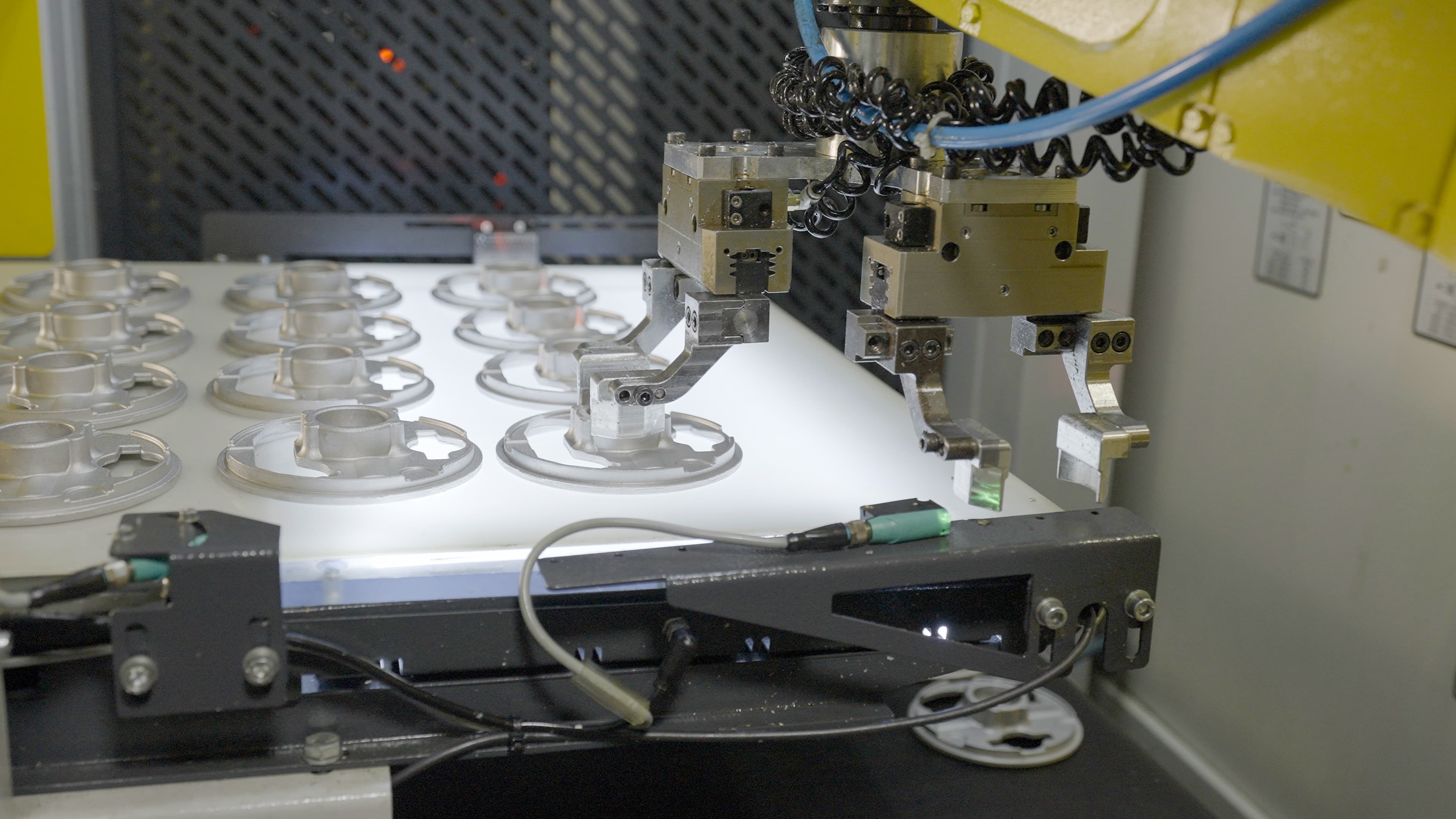
Figure 1. Turning Lathe (Doosan) machine tending application
Reducing Downtime Costs with Robotic Systems
We’ve been closely involved with the metal industry for nearly fifteen years and, for over a decade, I’ve been developing robotic systems for manufacturers through our team at Robsen. In many cases, we’ve led our customers through their very first robotic investments. This long-term collaboration has given us valuable insight into both the "before" and "after" of automation.
Through these investments, many of our customers have successfully moved away from manual operations, dramatically reducing their direct labor costs. But more importantly, alongside the robotic solutions we’ve developed, we’ve also helped them take significant steps toward establishing the continuous data flow that I emphasized earlier. This has been made possible through the system management software we integrate into our robotic solutions. The most impactful result of this integration is increased production capacity by minimizing downtime.
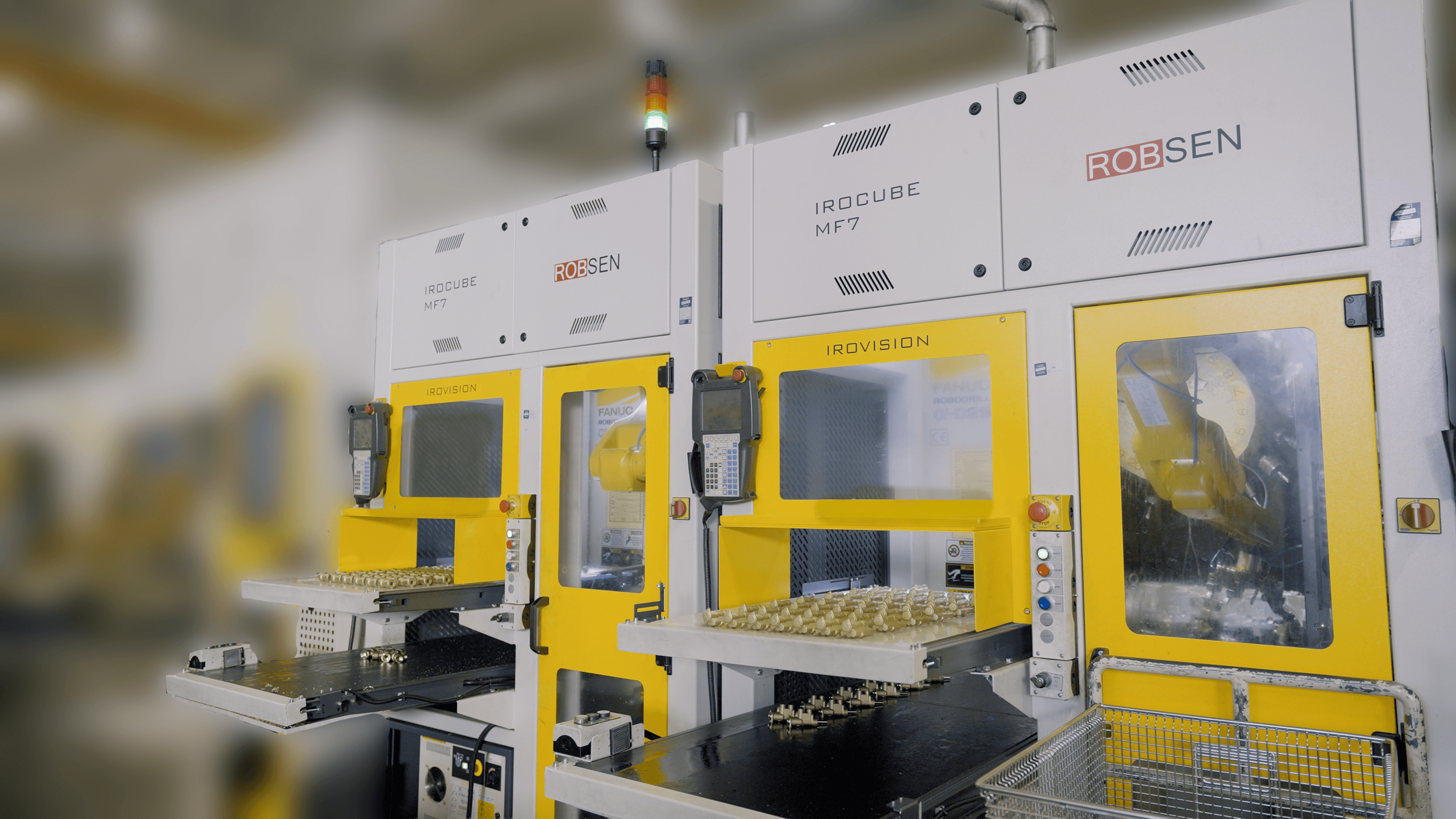
When designing these programs, we start by analyzing the hidden costs and disruptions our customers face due to the lack of real-time production data. For instance, one customer running CNC machines manually couldn’t accurately predict maintenance intervals because they lacked sufficient production data. To address this, we enhanced our Irocube robotic loading cell, developed specifically for CNC machines, by integrating it with Inotify, our system monitoring software.
We customized Inotify with dedicated dashboards tailored to the customer’s needs. These dashboards allow operators to monitor data in real-time, such as the number of parts processed since the last maintenance or the run time since the most recent tool change. This real-time visibility enables informed and timely decision-making.

Figure 2. Real-time dashboards provide instant visibility into production and maintenance performance.
Identifying indirect costs is inherently challenging. However, when manufacturers invest in robotic automation and pair it with a reliable data infrastructure, they gain a major advantage in controlling and eventually eliminating these hidden costs.
Coming Up Next
In my next article, I’ll dive deeper into the causes of performance losses in CNC machining, the hidden time losses that undermine efficiency, and the critical traceability factors necessary for ensuring production repeatability. I’ll support these topics with real-world customer examples to demonstrate how robotic automation creates measurable advantages in practice.